

Blog
Cannabis Glossary: C
Cannabis

Cannabis is a plant from the hemp family. It is cultivated both as a useful plant and as an intoxicant. It is thought to have originated in Central Asia, but traditional cultivation areas are in the Middle and Near East as well as in South and Southeast Asia. The plant is considered to be frugal and in its uncultivated form only requires a growing period of about one year from seed to fruit ripening. As a useful plant, cannabis is mainly processed for ropes (from the stems) and oils (from the seeds).
At least 60 cannabiniodes with the main active substance THC (tetrahydrocannabinol) are responsible for the intoxicating effect. These are produced by the plant in the trichomes, which belong to the plant hairs, especially on the flowers. The first use as an intoxicant is described for the region of India, at that time in the context of cultural activities. In Europe, cannabis has only been used for intoxicating purposes since around the 19th century.
Cannabinoids

The cannabis plant produces numerous chemical compounds called cannabinoids. So far, more than 100 different cannabinoids have been discovered, most of which are found in very small amounts in the plant. The cannabis plant does not produce cannabinoids directly but instead synthesises several cannabinoid acids which are activated (decarboxylated) by the influence of heat. This activation then produces the compounds most sought after by consumers, namely THC and CBD. Besides THCA and CBDA, there are a number of other related cannabinoid acids that can be produced by cannabis. The most important cannabinoid acids include:
- CBGA (cannabigerolic acid)
- THCA (Δ9-tetrahydrocannabinolic acid)
- CBDA (cannabidiolic acid)
- CBCA (cannabichromenenoic acid)
- CBGVA (cannabigerovaric acid)
- THCVA (tetrahydrocanabivaric acid)
- CBDVA (cannabidivaric acid)
- CBCVA (cannabichromevaric acid)
Any cannabinoid acid can be decarboxylated to a corresponding cannabinoid such as THC, CBD or THCV.
THCA and CBDA are usually the most abundant cannabinoids in cannabis plants. The most important cannabinoid acids are CBGA, THCA, CBDA and CBCA. CBGA is the parent compound from which enzymes in the plant produce the other three. The cannabinoid acids themselves produce little or no psychoactive effect like THC. However, they do have positive medical benefits and are, for example, anti-inflammatory or pain-relieving.
After decarboxylation, each of the cannabinoid acids forms a corresponding cannabinoid compound:
- CBG (cannabigerol)
- THC (Δ9-tetrahydrocannabinol)
- CBD (cannabidiol)
- CBC (Cannabichromene)
- CBGV (cannabigerivarin)
- THCV (tetrahydrocannabivarin)
- CBDV (cannabidivarin)
- CBCV (cannabichromevarin)
THC belongs to the cannabinoids that produce an intoxicating effect. It is believed that THCV can also produce a psychoactive effect, but this is highly dose-dependent and THCV is present only in small amounts or not at all in many commercial cannabis strains.
Cannabinoids can interact with the human endocannabinoid system and activate certain processes and produce an effect.
The different cannabinoids interact, influence each other and can thus achieve very specific effects. For example, it has been observed that CBN in combination with THC leads to a stronger sedation.
Cannabinoids mimic compounds that also occur and are produced naturally in the human body: namely, the Endocannabinoids.
When cannabis is ingested, cannabinoids bind to receptors in our brain (CB1 receptor) and body (CB2 receptor). Different cannabinoids have different effects depending on which receptors they bind to. For example, THC binds to receptors in the brain, while CBN (cannabinol) has a strong affinity for CB-2 receptors throughout the body. Depending on the particular cannabinoid profile of a cannabis plant, different types of relief are possible.
The best-known cannabinoids are THC and CBD with the precursors THCA and CBDA. Both were identified in 1960 by the Israeli chemist Raphael Mechoulam. THC is a pychoactive substance that is illegal in Germany. It mainly affects the psyche (increased sense of perception, anxiety-relieving or anxiety-increasing) and the mind (increased concentration, increased creativity, short-term memory). CBD is legal in Germany and not psychoactive. It is mainly of interest for medicinal purposes and is considered a proven remedy for pain, sleep and anxiety disorders.
You can find out more about this topic here:
CBD
Cannabidiol (CBD) is a compound that occurs naturally in cannabis and belongs to the so-called cannabinoids. CBD is not psychoactive like THC, but has significant medicinal properties (antioxidant, neuroprotective). The cannabinoid occurs in all parts of the plant, but is increased in the flower.
Some cannabis strains have a particularly high CBD content and little or no THC. CBD strains are widely used for medicinal purposes. Among the most famous CBD strains are: Charlotte's Web and Cannatonic.
CBN
Cannabinol (CBN) belongs to the cannabinoids. It is formed from THC by oxidation and is produced when THC is stored for a longer period of time. When cannabis is stored, the CBN content increases as the flowers age.
CBN has some positive properties, which is why it has become interesting for research. For example, it is used for pain relief, insomnia, to promote the growth of bone cells and as an appetite stimulant.
It is also considered anti-inflammatory, antispasmodic and antibacterial. The cannabinoid is also popular for its sleep-inducing properties.
Because of the significantly lower psychoactive effect compared to THC, it is a popular remedy for patients who want to keep a clear head. The proportion of CBN in dried flowers rarely exceeds 1%.
Here you can find more information about CBN:
CBC
Cannabichromene (CBC) is a naturally occurring non-psychoactive cannabinoid found in cannabis plants. It is produced in the trichomes of the plants through an enzymatic reaction. Unlike THC and CBD, CBC is a lesser known cannabinoid.
Cannabichromene (CBC) was first discovered by researchers in 1966. It is believed to be the second most abundant cannabinoid found in the cannabis plant. In CBC conversion, the plant uses an enzyme known as CBCA synthase to convert cannabigerolic acid (CBGA) into cannabichromenic acid (CBCA), which in turn is converted into CBC.
In the human body, CBC does not bind to CB1 or CB2 receptors. However, it has the ability to react with other cell receptors such as the vanilloid receptor 1 (TRPV1) and the transient receptor potential ankyrin 1 (TRPA1) in the body. Activation of TRPV1 and TRPA1 helps to increase the body's endocannabinoid system, making the body's other receptors more sensitive to the various cannabinoids.
CBC has the same molecular formula as tetrahydrocannabinol (THC) and cannabidiol (CBD): C21H30O2. Despite the similarities, the atoms and chemical properties of these three compounds differ.
Studies have shown that CBC can play an important role in the prevention and treatment of numerous diseases such as acne, cancer, depression, bone growth problems and gastrointestinal disorders. Like CBD, cannabichromene does not produce a psychoactive effect when consumed.
Learn more about this cannabinoid here:
-
How cannabis strains help brain development
-
Cannabichromene (CBC) - a hitherto little-noticed cannabinoid in marijuana
CBC-A
CBC-A oder Cannabichromensäure bildet neben den Grundstoffen THCA und CBDA die drei Haupt-Cannabinoidsäuren. Cannabiode liegen im Regefall zunächst als Säure vor und werden erst durch Erhitzungsvorgängen in auf den Körper wirksame Stoffe umgewandelt. Das A steht dementsprechend für „Acid“, englisch „Säure“.
Cannabichromensäure wurde 1966 und 6 Jahre nach den Cannabinoiden THC und CBD entdeckt und ist nicht-psychoaktiv. Im Gegensatz zu THC und CBD dockt es nicht an den CB1 oder CB1 Cannabinoidrezeptoren des Nervensystemes sondern an den Schmerzregulatoren TRPV1 und TRPA1 an. Hier hat es auch Auswirkungen auf das sogenannte „Glücksmolekül“ Anandamid. Neben seinen enzündungs- und schmerzlindernden Eigenschaften scheint es außerdem eine verstärkende Wirkung auf die anderen Cannabinoide zu haben.
CBD-A
CBD-A oder Cannabidiolsäure ist die Grundform des Cannabinoids CBD. Zusammen mit THCA und CBCA bildet es die drei Haupt-Cannabinoidsäuren. Cannabiode liegen im Regefall zunächst als Säure vor und werden erst durch Erhitzungsvorgängen in auf den Körper wirksame Stoffe umgewandelt. Das A steht dementsprechend für „Acid“, Englisch „Säure“. Es ist nicht psychoaktiv und weißt wie CBD eine hohe enzündungshemmende Wirkung auf. Im Zuge der Schrittweisen Legalisierung von Cannabis als Medizinischen Wirkstoff ist davon auszugehen, dass CBD-A Zukünftig in isolierter Form Verwendung finden wird. So wurde vom Amerikanischen National Center for Biotechnology Information 2013 bereits eine im Vergleich zu CBD höhere Wirksamkeit bei Übelkeitszuständen festgestellt.
CBG (cannabigerol)
CBG is a non-psychoactive cannabinoid from which THC and CBD develop. A plant initially produces only a small amount of CBG and then converts it into THCA, CBDA and some other cannabinoids.
By the time the flowers are dried, they contain only a small amount of CBG, less than 1%. Cannabigerol (CBG) was first discovered by researchers in 1960 and is now being investigated for various medicinal uses. CBG acts as a COX-2 inhibitor in the human body, which helps fight inflammation and works similarly to aspirin and ibuprofen.
Research is investigating the medical benefits of CBG in relation to the prevention and treatment of cancer, psiorasis, inflammatory bowel disease and glaucoma.
Cocos substrate
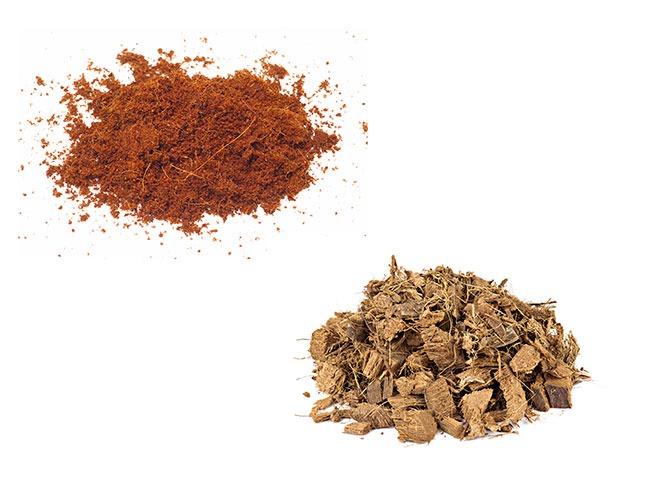
Cocos substrate is a planting medium used in gardening and cannabis cultivation. It consists of the fibres of the coconut shell and can also be mixed with soil. In addition, it is often used in hydroponics. The soilless medium looks very similar to soil, but needs to be constantly enriched with the appropriate amount of nutrients to provide the plants with necessary nutrients such as iron, nitrogen and various minerals.
Cocos substrate is an alternative to peat moss, but not as acidic. It does not affect the pH value of the soil. Water can flow quickly through the medium, it is very absorbent and stores water excellently. Coco substrate does not contain any nutrients itself and is available in fine as well as coarse, and fibrous structure. For cannabis cultivation, it is recommended to use a coco substrate that is not too fine-textured, as this will prevent waterlogging.
Chlorosis
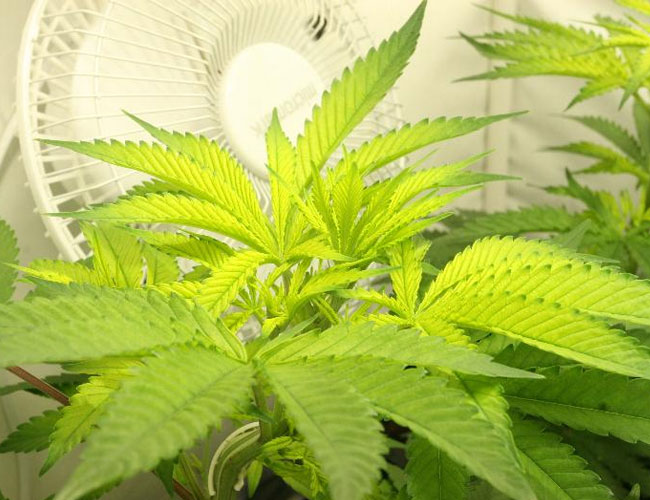
Cholorosis describes the condition in which plants do not have enough chlorophyll. Chlorophyll is the natural pigment responsible for the green of the leaves. If there is too little of it, the leaves turn yellow and pale. Chlorosis hinders the production of carbohydrates during photosynthesis, thus affecting the plant's nutrition and even ultimately leading to the death of the plant.
Chlorosis is in many cases caused by a lack of nutrients such as magnesium, iron, zinc as well as nitrogen and proteins. A soil pH that is outside the range suitable for cannabis plants can also be a reason for chlorosis. So can a lack of drainage in the plant pots. If the roots are damaged by waterlogging or too compacted, nutrients can no longer be sufficiently absorbed and chlorosis occurs.
Je höher der pH-Wert den idealen Bereich überschreitet umso stärker tritt die Chlorose auf. Je länger der Zustand anhält umso stärker sind die Symptome. Blätter, die „entfärbt“ sind, neigen verstärkt zu Verbrennungen und sind mehr von Blattkrankheiten betroffen.
Depending on the trigger for chlorosis, different measures are used:
- Improve aeration of the soil, loosen compacted soil
- Water properly, avoid waterlogging
- Measure and adjust the pH value of the soil and the irrigation water.
- Foliar fertilisation for a rapid supply of nutrients
CO2 enrichment
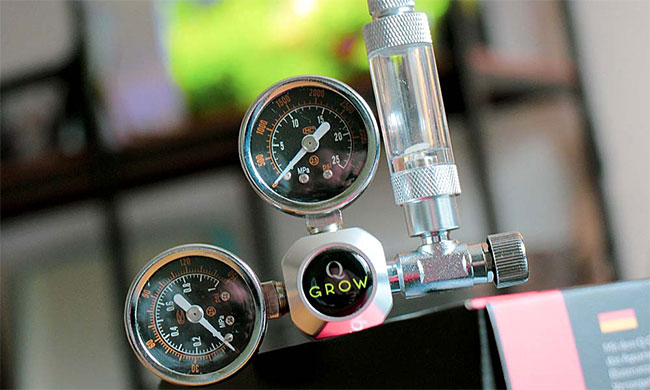
CO2 (co-dioxide) is a gas and very important for the growth and development of cannabis plants and is part of the process of photosynthesis. An additional enrichment of the growing space with CO2 leads to stronger as well as faster growth and higher yields. Cannabis plants can use more CO2 than naturally occurs in the air. The optimum Co2 content in the grow room is at 0.12-0.15% (1200-1500 ppm). If the CO2 level falls below 0.02%, the plant will stop growing. At an optimal CO2 level, growth can be accelerated by up to 30%, provided that light, nutrient supply and water are not limiting factors.
The additional supply of CO2 provides energy for the plants. Especially if the lighting is sufficiently intense. If plants are grown under a weak light such as CFL lamps, the CO2 enrichment has no effect. The increased amount of CO2 cannot then be processed by the plant. Large units that can produce CO2 in high quantities are mainly suitable for large growing rooms. In small growing rooms, the use of CO2 pads or Boost Buddy is recommended.
In closed greenhouses, there is often too little CO2 during the day. This means that the plants cannot make full and effective use of the available light. Increasing the CO2 level can do amazing things and increase growth significantly. An increased CO2 level of over 5000 ppm can make people dizzy. Very high CO2 levels are toxic and there is then a significant lack of oxygen.
Cannabinoid receptor type 1 (CB1 receptor)
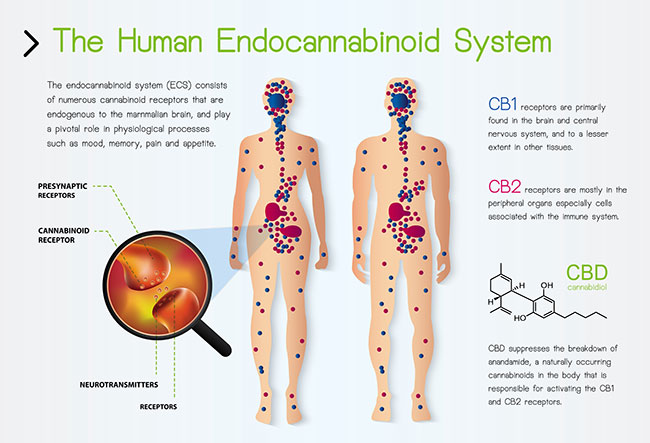
The cannabinoid receptor type 1 (CB1 receptor) is a protein found in the human brain and body, in connective tissues and certain organs, and in the central and peripheral nervous systems. When cannabis is consumed, the cannabinoids bind to the CB1 receptors in the body and these receptors transmit signals to the body.
Cannabinoid (molecules) in the body activate certain cannabinoid receptors which are naturally present in the body.
CB1 receptors were first discovered in 1990 by a research group at Cambridge University. These receptors are responsible for the body's overall psychoactive response to cannabis and the THC it contains. CB1 receptors, regulate the sensation of pain, appetite and sleep. When CB1 receptors are activated by cannabinoids, they begin to overreact and the posivite reactions of the CB1 receptors are increased.
CB1 and CB2 receptors are the main receptors in the human body and they are primarily responsible for the many health benefits that cannabis brings. CB1 and CB2 receptors work together with cannabinoids in the body to provide relief from many health problems.
Cannabinoid receptor type 2 (CB2 receptor)
Besides the CB1 receptor, there is the CB2 receptor (cannabis receptor type2), which is found throughout the human body. This is also a protein that has special properties and reacts positively with the cannabinoids in cannabis.
CB2 receptors are found throughout the human immune system and support organs such as the spleen, tonsils or thymus gland. These receptors are also found in the gastrointestinal system and occur most frequently here. They also occur in the brain, but significantly less than the CB1 receptors.
Cannabinoids that enter the body activate specific cannabinoid receptors. CB1 and CB2 receptors transport cannabinoid signals to the body. CB2 receptors interact with cannabinoids from the cannabis plant to provide potent anti-inflammatory properties. The body's own CB2 receptors were first discovered in 1993 by researchers at Cambridge University.
You can find out more about this topic here:
Cannabis concentrate
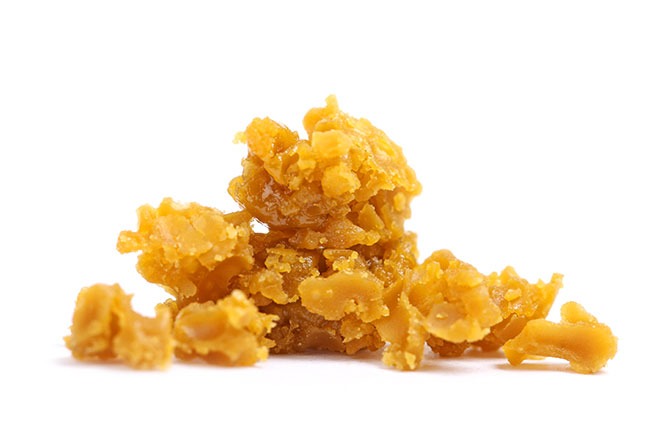
Cannabis extracts or also called cannabis concentrates can be liquid, semi-solid or solid. They contain a concentrated amount of cannabinoids and are produced using various solvents or mechanical methods.
Terpenes are an important component of cannabis extracts and high-quality extracts contain as many as possible. The whole plant can be used for cannabis extracts, but if you want to produce highly potent extracts, you only use the very resinous flowers.
Very often, cannabis extracts are obtained with the help of solvents. Butane gas, ethanol or propane gas are most commonly used. Some extracts contain a high proportion of THC and other cannabinoids, while others contain mainly the cannabinoid CBD or no THC at all.
Extracts can be found in or added to sweets, cosmetic products and various foods.
Dry cannabis extracts are produced using fine microfabric screens or the so-called bubblehash method and pressed into hashish.
You can find out more about cannabis extracts here:
-
Cannabis concentrates at a glance
-
BHO and cannabis extracts
-
Life-resin extraction
-
BHO: Step-by-step guide
-
The strongest cannabis oil in the world: cannabis distillates
-
Dry extraction - how do I make high-quality hashish myself?
-
Make your own Bubble Hash
-
Make Jelly Hash
Camphen
Camphene is a terpene that is often found in the cannabis plant, especially in indica strains. Terpenes give cannabis its special flavour and aroma. In addition, terpenes are also thought to provide medicinal benefits. Camphene is anti-inflammatory and has antibiotic and antifungal properties. In addition, it shows positive effects in the treatment of heart and circulatory problems.
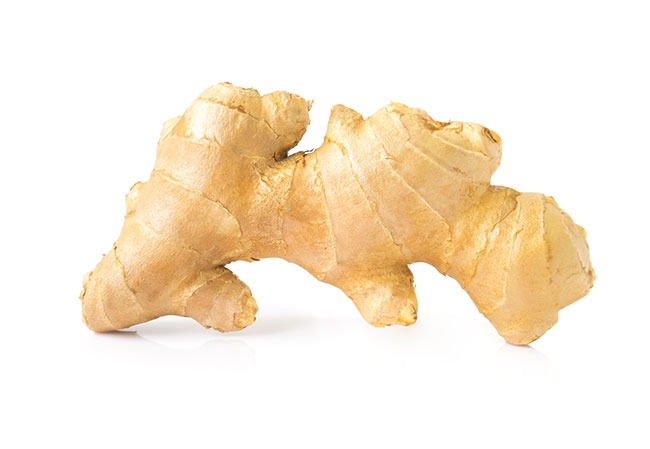
The terpene has a woody smell with a hint of pine needles. Apart from the cannabis plant, this terpene is also found in citronella, valerian oil, ginger oil and sage oil.
Terpenes are used by the cannabis plant to ward off herbivorous pests and to attract pollinating insects.
Chemdog
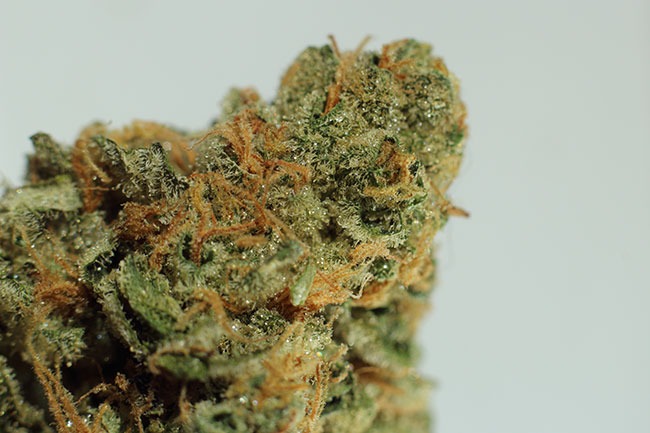
Chemdog or Chemdawg is a popular and well known cannabis strain that is also used for medicinal purposes. The strain has been on the market for 25 years and it is believed that the parents were OG Kush and Sour Diesel.
Chemdog is a potent strain that has an average THC content of 18-22%. It has the desirable characteristics of both parent strains. This hybrid exhibits both indica and sativa characteristics. The strain produces a strong physical and mental high. Chemdog is used as a medicinal strain to treat stress, anxiety, PTSD and migraines. The strain is easy to grow and has a short flowering time of 7-9 weeks.
Find chemdog seeds:
Chillum

A Chillum is a device used for smoking marijuana. It consists of a conical tube that has a kind of bowl for the cannabis at one end. The thinner end is the mouthpiece and the thicker end is where the cannabis is filled. The chillum is smoked vertically and is traditionally made of clay. However, there are also chillums made of wood, soapstone, glass or metal.
The word chillum comes from the Hindi word cilam, which means pipe. This smoking device has been used for many thousands of years and was part of Hindu religious rituals.
The use of a chillum is very simple. The user simply fills hash or weed into the bowl part and lights it.
Chlorophyll
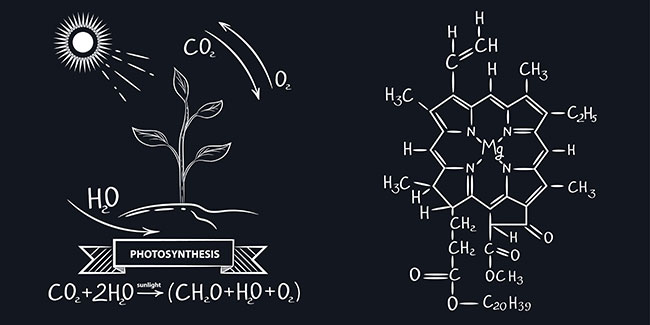
Chlorophyll gives plants and leaves their green colour and is important for photosynthesis. It causes plants to be able to absorb energy from sunlight. Chlorophyll is an essential component of plant growth and is necessary for plant survival.
The main purpose of chlorophyll is to support photosynthesis. With the help of chlorophyll, the leaves produce carbohydrates and oxygen from carbon dioxide, the air, water and light energy. This process is called photosynthesis.
Research has shown that the plant pigment also has medicinal benefits for humans. It improves liver detoxification and prevents intestinal carcinogens from circulating throughout the body. Furthermore, chlorophyll speeds up wound healing by slowing down the reproduction rate of harmful bacteria.
Clay Pebbles
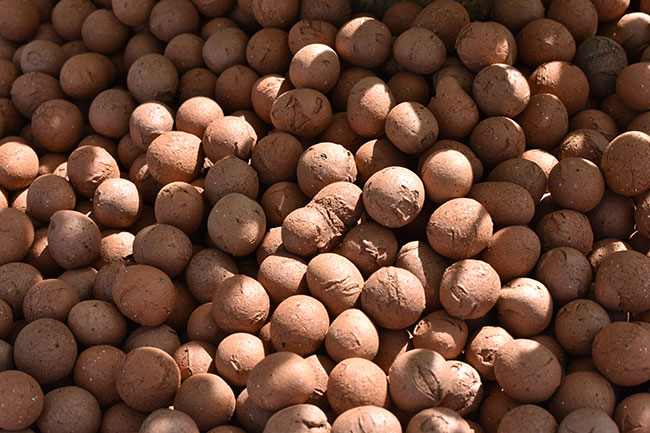
Clay pebbles are also known as expanded clay and are a commonly used planting medium in hydroponic cultivation. They are small beads that consist of fired clay. Expanded clay is pH-neutral, does not itself provide nutrients for plants and can be reused.
For large planters, Clay Pebbles can be used to improve drainage and aeration of the root zone. A layer of Clay Pebbles is filled into the lower part of the planter. The rest is then filled with soil.
Compost Tea
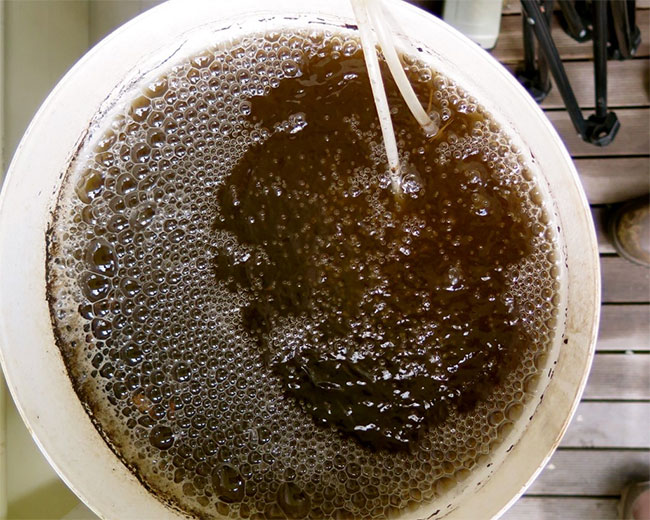
Compost Tea is a concentrated organic liquid fertiliser made from biologically active compost. Compost Tea is rich in nutrients and provides the soil with beneficial soil bacteria.
A compost tea is generally made by mixing one part compost with several parts water. The whole thing rests for some time, is regularly aerated and can then be used as fertiliser diluted with water. Compost tea can be made from various raw materials, e.g. coffee, algae, herbs and various non-diseased plant parts.
Cytokinins
Cytokinins are a type of plant hormone that primarily stimulate cell division. They are produced by the roots and travel upwards through the stem. They promote the growth and budding of the plant tissue.
Auxins are another type of plant hormones that migrate down from the tip and suppress lateral growth. These two types of hormones (cytokinins and auxins) establish a balance that remains in tissue culture.
Cytokinins consist of a group of signalling molecules that regulate plant growth and development. Most cytokinins are produced in the root region. Cytokinins are found in all complex plants as well as mosses, bacteria and fungi. They are also found in coconut milk. So far, about 200 different natural and synthetic cytokinins are known.
You can find out more about plant hormones here:
Cannabicyclol (CLB)
Cannabicyclol (CBL) is a non-psychoactive cannabinoid found in the cannabis plant. This cannabinoid has received little research and attention. It is a degraded compound that is formed when another cannabinoid is exposed to certain external influences.
When cannabichromene (CBC) is under the influence of oxygen and UV light, it is degraded to CBL. This is why CBL is only found after harvesting and only in traces on living flowers. Unlike Δ9-THC and Δ8-THC, CBL has no double bond in its basic structure. It is assumed that this is why it is not intoxicating. Beyond the molecular structure, little is known about this cannabinoid. In the cannabis plant, it occurs in even smaller quantities than the cannabinoids CBN, CBG and CBC.
Despite the lack of research on this cannabinoid and the possible medical benefits, it is highly likely to have medically relevant potential, at least in terms of the entourage effect.
Cedren
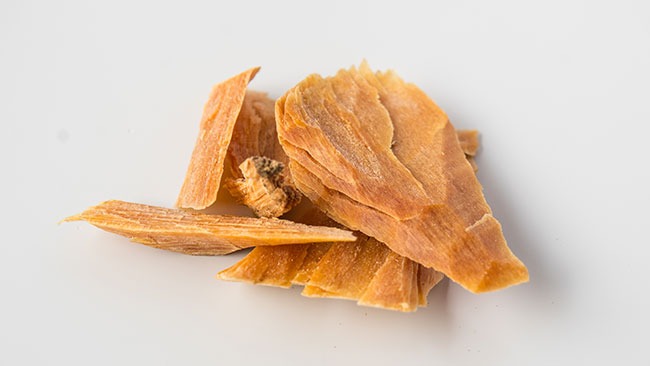
Cedrene is a terpene with a subtle woody and fresh aroma. It is typically found in cedarwood or cedarwood oil and has numerous medicinal benefits. For example, it has anti-tumour properties and is antispasmodic. It is also an effective mosquito repellent. The ancient Egyptians already used it as an insect repellent and it is still a component of aromatherapy today.
As a terpene in the cannabis plant, it contributes to the overall aroma and gives a woody note.
Citronellol
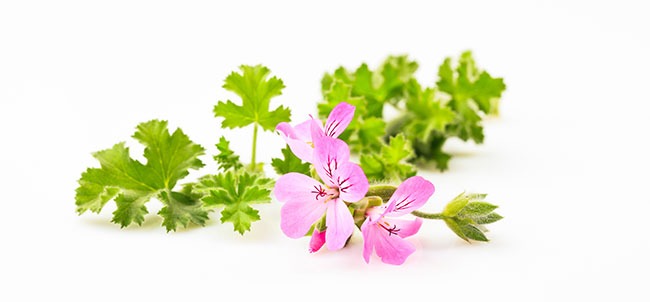
Citronellol is a terpene with a fresh citrus aroma. It can be found in roses, some other flowers and especially in the lemongrass plant. It is well known as a mosquito repellent and has long been used in cosmetics and perfume production.
Scientific investigation of the terpene revealed anti-inflammatory properties and anti-tumour effects. The two main chemotypes of citronella oil, Ceylon and Java, were named after the oil's probable origin in Sri Lanka. Citronella oil is largely produced in Asia. Up to 40% of the world's supply comes from China and Indonesia. Madagascar, Honduras and Mexico are also producers of citronella oil.
Cannabis strains that contain citronellol can either develop an aroma like passion fruit, like flowers or like honey.
Closed-Loop System
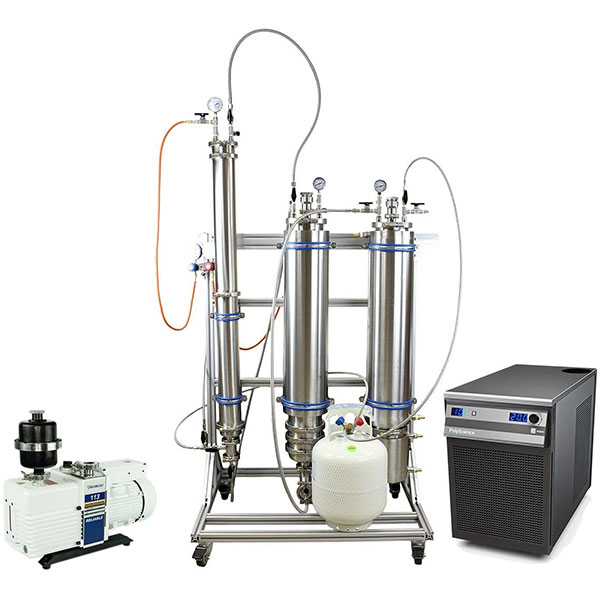
A closed loop system is an extraction system with a closed control loop. In contrast to butane extraction, the solvent is completely sealed off from the air.
This closed-loop extraction process is not new and has been used for decades to extract essential oils for perfume and food additives. Only in recent years has it also become popular in the cannabis industry.
An extract prepared with this system is clean and the preparation is safer than with open systems. These closed systems have become the norm for all commercial and medical dispensaries.
In addition, with a closed-loop extraction system, chemical solvents can be reused, which saves money.
Cymen
Cymene is a common terpene with numerous positive medicinal properties. It has antibacterial, analgesic, neuroprotective and antimicrobial effects. Some research suggests that it may even be helpful in fighting cancer. In addition to some cannabis plants, cymene is also found in over 100 different plants, e.g. eucalyptus, anise, oregano, coriander, etc.
Companion Planting
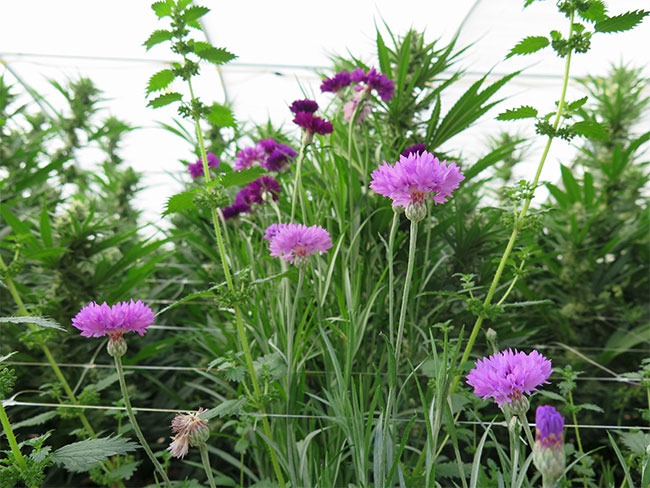
Companion planting is the harmonious cultivation of different plant species that enrich each other. In this way, both water and space can be saved. In the wild, different plants always grow side by side and form a natural ecosystem.
Some plants are particularly well suited to growing alongside others. Legumes such as beans add nitrogen to the soil, from which neighbouring plants can benefit. Some plants and especially herbs have a natural defence against pests and thus bring benefits to their neighbouring plants.
You can find out more about Companion Planting here: