
Blog
Cannabis study: How THC affects learning and memory in different age groups
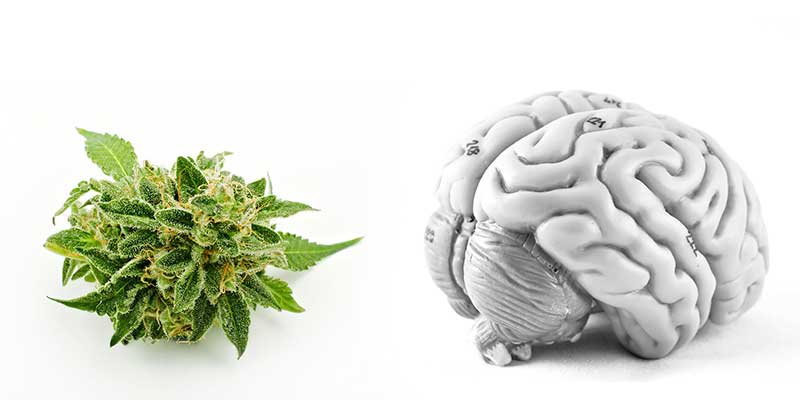
A recent study with mice made some headlines in the USA. It showed that smoking cannabis can prevent memory loss in old age. The idea is impressive and seductive: instead of cognitive decline in old age, THC could help restore cognitive function in older people.
The study observed how THC affects learning and memory in young and old mice. However, it did not include cannabis smoking.
Cannabinoids and the ageing process
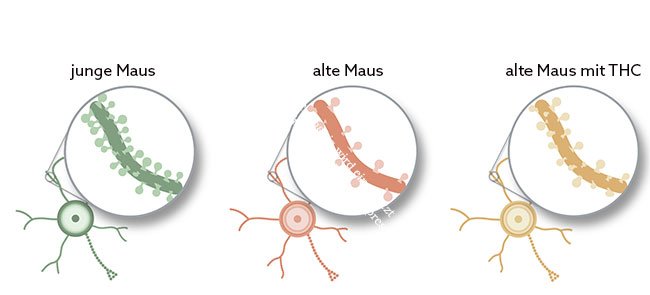
Young mice, in contrast to older mice, have a better learning and memory capacity. However, if THC is administered to young mice, there is a deterioration in memory. It is assumed that the endocannabinoid system influences the ageing process in the brain and that the endocannabinoid level in the brain goes hand in hand with age.
Dr Andras Bilkei-Gorzo, the lead author of this study, reports that it was already recognised from previous work that cannabinoid signalling accelerates brain ageing. The question was whether improved activation of the cannabinoid system could slow or even reverse cognitive decline in old age.
The connection seemed simple and logical: if cognitive deficits in old age are triggered, at least in part, by deficits in the endocannabinoid system, the administration of THC could presumably compensate for this.
Procedure of the study
The study examined the behaviour of mice in terms of learning and memory in both young and old mice. In each age group, some mice were given a consistent daily dose of THC for 28 days. The remaining mice received no THC and constituted the control group. After 28 days, learning and memory ability was then assessed. There was no THC in the mice's bodies during the assessment.
The question was asked how chronic cannabis use affects learning and memory. It was found that older mice reacted differently to chronic use compared to young mice. Older mice showed improved learning and memory abilities when they had previously received 28 days of THC treatment. Surprisingly, the behaviour of older mice with chronic THC ingestion for 28 days was similar to the behaviour of young mice without THC treatment. At the same time, there were molecular changes in the hippocampus. Older mice that received THC had similar brains to young mice without THC. There were also more connections between neurons in the hippocampus. In addition, there were some genomic changes. In the THC-treated older mice, genes associated with plasticity and increased lifespan became active, while genes associated with age-related cognitive impairment were down-regulated.
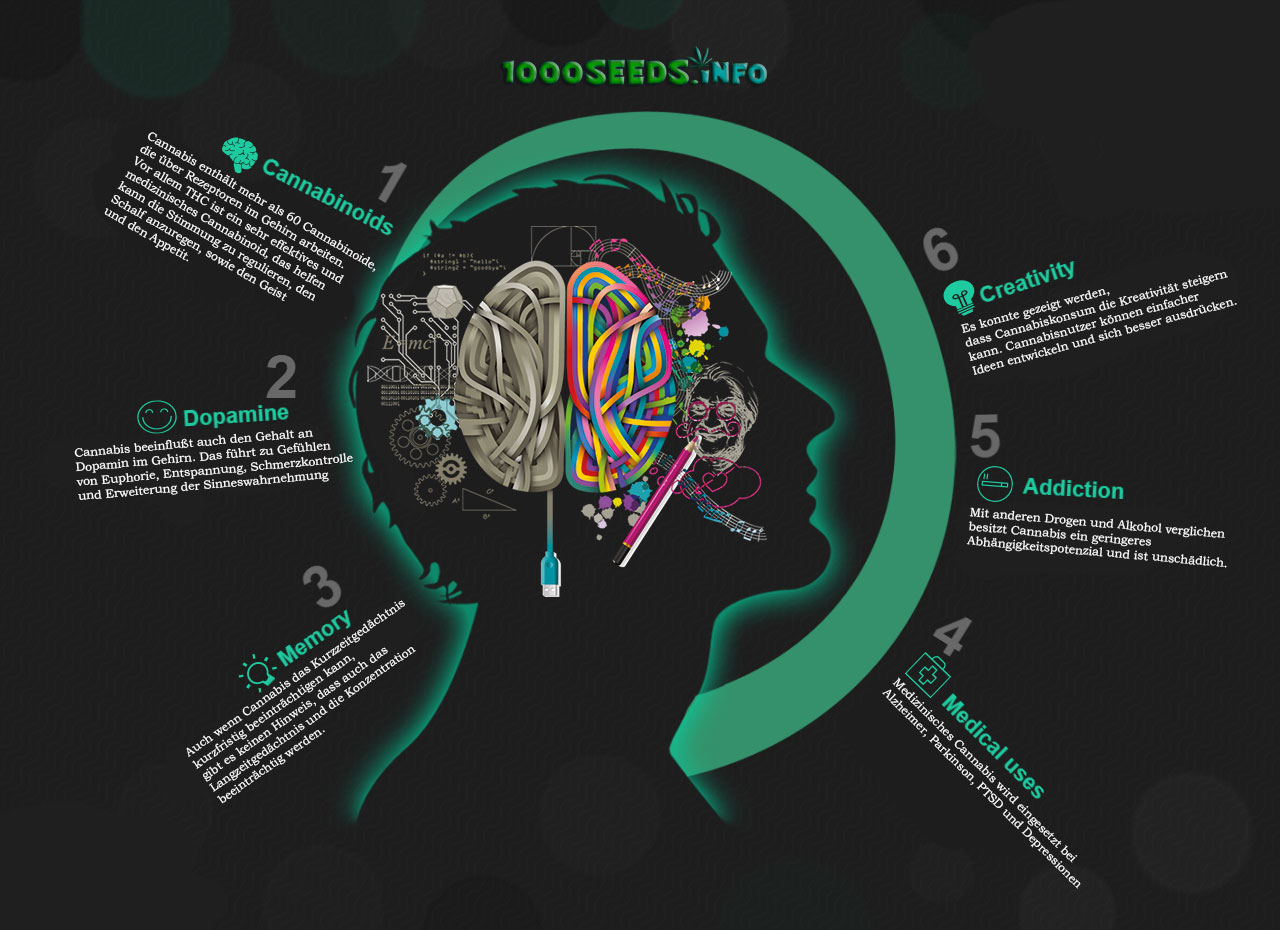
Cannabis and ageing: the role of the endocannabinoid system
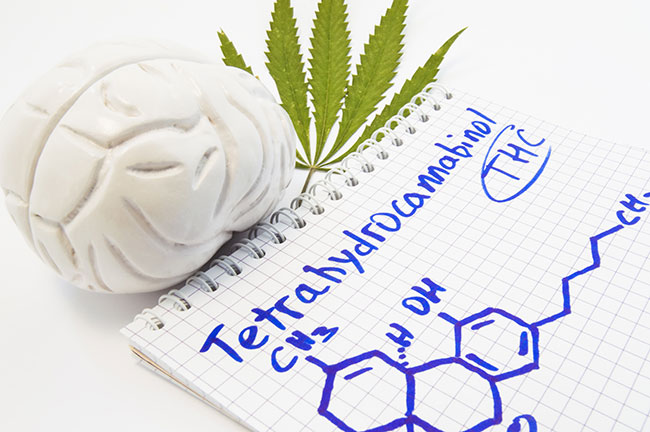
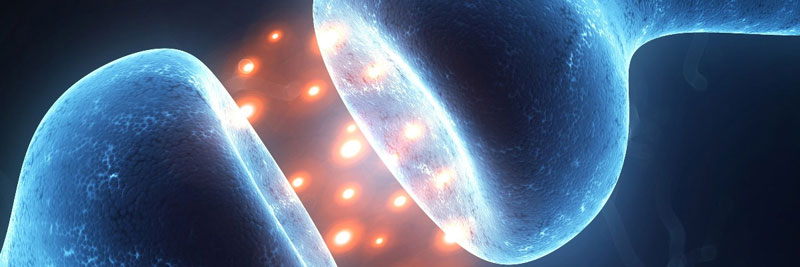
Throughout our lives and with age, our endocannabinoid system changes. This includes changes in CB1 receptor levels. The CB1 receptor is the receptor that THC needs to activate for the classic cannabis effects. This receptor level apparently decreases with age. Chronic administration of THC to old mice restored cognitive function presumably because it increased CB1 activation, compensating for low overall levels of CB1 receptors. The study shows that cannabis can have different effects on people of different ages. These differences probably arise because of age-related changes in the endocannabinoid system. It is thought that increasing cannabinoid levels may help compensate for some age-related phenomena.
In the study, the mice only received a low dose of 3mg THC/kg body weight per day. A person weighing 70 kg would therefore have to take approx. 205 mg THC per day. However, one can no longer really speak of a small dose. Dr. Bilkei-Gorzo explains that humans are much more sensitive to psychoactive substances than rodents, for example. Rodents therefore need to receive a dose of THC that is about 100 times higher for an anti-ageing effect or an anti-depression medication than comparatively humans in order to achieve the same effects. Rodents and humans metabolise plant cannabinoids, pharmaceuticals and other compounds differently.
Dr Bilkei-Gorzo would therefore like to start clinical trials in humans at the end of 2017 / beginning of 2018. These will most likely use pure THC, which allows for exact dosing. While human studies very often use pure cannabinoid extracts, there are numerous legitimate reasons why patients prefer and also better tolerate cannabis as a whole with all its active ingredients. In scientific studies, however, whole cannabis is more difficult to dose.
It is worth mentioning that this study was conducted at the University in Bonn/Germany in cooperation with the University of Israel. Israel is considered the capital of medical cannabis research.
References
Bilkei-Gorzo A, Albayram O, Draffehn A, et al. A chronic low dose of Δ (9) -trahydrocannabinol (THC) restores cognitive function in aged mice. Nat Med. 2017 [ PDF ]
Albayram O, Alferink J, Pitsch J, et al. Role of CB1 cannabinoid receptors on GABAergic neurons in brain aging. Proc Natl Acad Sci USA. 2011; 108 (27): 11256 & ndash; 61.
Jenniches I, Ternes S, Albayram O, et al. Anxiety, stress and fear response in mice with reduced endocannabinoid levels. Biol Psychiatry 2016, 79 (10): 858-68.
Piyanova A, Lomazzo E, Bindila L, et al. Age-related changes in the endocannabinoid system in the mouse hippocampus. Mech Aging Dev. 2015, 150: 55 & ndash; 64.