
Blog
Cannabis in the treatment of alcoholism and alcohol-related brain damage
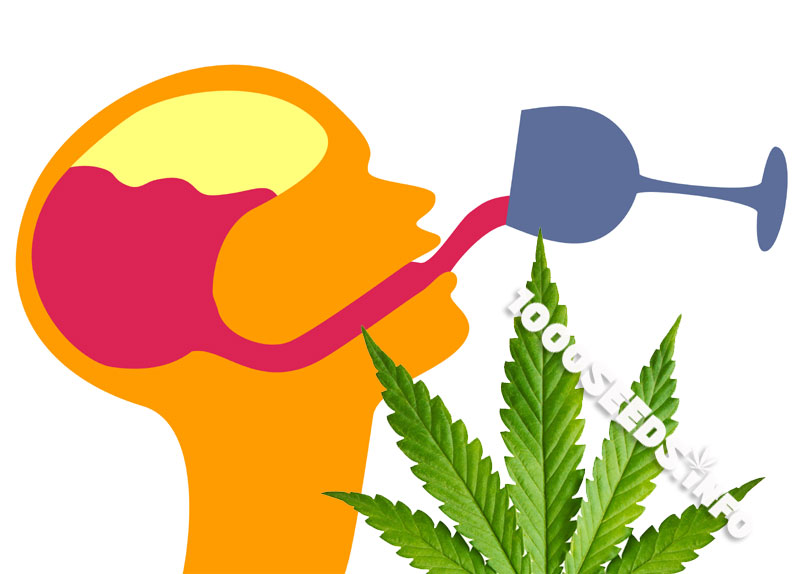
Medical marijuana is increasingly in the news and awareness of the therapeutic benefits and possibilities of cannabis seems to be growing steadily. Accordingly, sensible regulations for patients as well as recreational users are long overdue and more research is becoming increasingly necessary. As has already been shown in many studies and testimonials from those affected, cannabis can be helpful in a wide range of conditions and contains complex, positive and surprising medical effects. There is now clear evidence and research suggesting that the use of cannabis can help treat both drug and alcohol addiction.
The use of marijuana as a new form of treatment is still controversial, not least because some medical practitioners and researchers believe it could entail a certain risk of addiction. Thus, humans ultimately run the risk of becoming addicted to anything that is fun if they carry within themselves the corresponding psychological structures for it. People can become addicted to food, sport or sex, but no one would think of banning these things because of that. Cannabis has been put in a false light in terms of a mythical understanding of health/addiction, shaped by political interests and unenlightened, and is now increasingly being rehabilitated as a wonderful useful and healing plant.
Enough studies have already been able to prove that medical marijuana is not addictive and in no way more harmful than many other drugs, alcohol or even opiates. Several studies have shown that cannabis can even help treat the damage caused by certain substances.
- A 2009 study from the Laboratory for Physiopathology of Diseases of the Central Nervous System found that injections of THC can help combat addiction to opiates such as morphine and heroin in experimental animals.
- A survey "Cannabis as a substitute for alcohol and other drugs" published in the Harm Reduction Journal found that respondents used cannabis to curb their desire for alcohol. They also use marijuana as an alternative to previously used prescription drugs and even as a substitute for more potent drugs like cocaine. Significantly, 57.4% of respondents chose to use cannabis for treatment because it allowed for better symptom management.
- Another study published in the Harm Reduction Journal, "Long-term cannabis users using medical cannabis in California", found that medical cannabis users are much less likely to use prescription medications, and even have less tobacco use than non-cannabis users.
Can marijuana help prevent alcohol-related liver damage?
Alcohol consumption has a negative effect on the liver. This happens because there is an excess of fats, lipids and additional oxidative stress for the liver. A recent study published in Free Radical Biology and Medicine shows an interesting preventive measure. Funded by the National Institute on Alcohol Abuse and Alcoholism (NIAAA) and the National Institutes of Health (NIH), the study suggests that cannabidiol (CBD) could help protect the liver from alcohol-related damage in the future.
As we know, cannabidiol (CBD) has been found to have an antioxidant effect. A team of researchers from China and the Mount Sinai School of Medicine in New York decided to investigate CBD's ability to combat alcohol-related oxidative stress in the liver. For this purpose, experiments were carried out on the mouse model. This study confirmed the assumption that cannabidiol (CBD) protects the liver from fatty degeneration, i.e. the accumulation of lipids. The researchers suspect that this is a result of the inhibition of oxidative stress and the activation of signalling pathways associated with fat accumulation.
The accumulation of fat in the liver can lead to serious problems, such as cirrhosis. Liver cirrhosis is a very serious disease that is extremely difficult or very limited to treat once it occurs. Therefore, prevention is particularly important at this point, i.e. avoiding the disease in advance. The cannabinoid CBD can, as has been shown, be helpful when it comes to preventing alcohol-related damage to the liver in advance.
Further benefits in the therapy of alcoholism
Cannabis is now widely and successfully used in the treatment of anxiety, depression and insomnia. Accordingly, marijuana can also be helpful in alcohol withdrawal and support those affected to get better away from alcohol.
Cannabis reduces alcohol-related brain damage
 A 2013 study published in the journal Pharmacology Biochemistry and Behavior found that cannabis can reduce brain damage caused by long-term alcohol use.
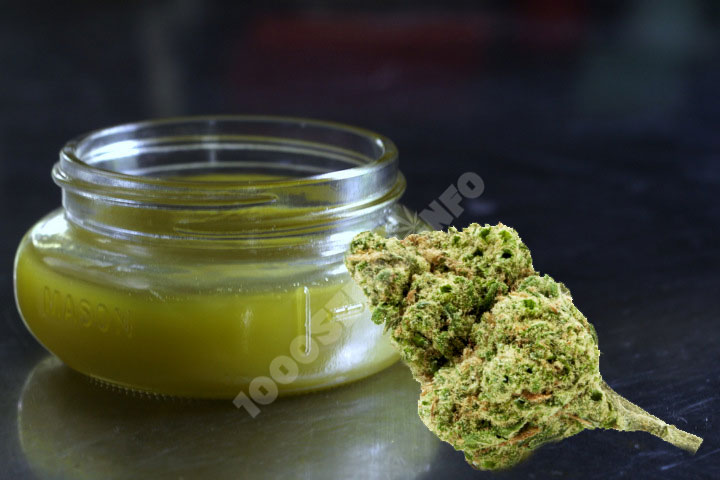
The researchers' aim with this study was to advance the preclinical development of transdermal delivery of cannabidiol (CBD) - through the skin - for the treatment of alcohol-induced neurodegeneration.
For the study, rat models were treated with 2 forms of administration: Firstly, with cannabidiol (a compound of cannabis) through a transdermal gel and secondly with an intraperitoneal injection.
The researchers found that a gel containing 5% cannabidiol led to a 48.8% reduction in neurodegeneration in the entorhinal cortex.
The researchers further investigated a gel containing 2.5% cannabidiol (CBD) and applied the injections. Both dosage forms were found to have a similarly large and positive neuroprotection.
The researchers conclude that CBD can also be successfully applied topically to treat alcohol-induced neurodegeneration. They also point out that CBD is more potent as an antioxidant than many known antioxidants - including BHT and α-tocopherol (vitamin E).
(The study was conducted by researchers at the Institute of Pharmaceutical Sciences at the University of Kentucky, and the University of Maryland).
"Transdermal delivery of cannabidiol attenuates binge alcohol-induced neurodegeneration in a rodent model of an alcohol use disorder".
<<mehr zum Thema Cannabis als Medizin>>

Medical disclaimer
The information on this website is for general information purposes only and is not to be equated with medical or legal advice. We do not wish to encourage anyone to consume or use drugs illegally. Please consult your doctor/health care provider before using any products/methods referenced or linked to on this website.