

Blog
Mulch: powerful helper for organic growers
Organic grow is all about imitating Mother Nature as well and efficiently as possible. Especially medical marijuana should be free from pathogenic fungi, mites or other insects and diseases. In the wild, there are a lot of natural and helpful beneficial insects that help plants defend themselves against various harmful influencing factors. These "beneficial organisms" are missing in indoor growing, which is why absolute cleanliness in the grow room is indispensable.
Plants have been using a wide variety of methods to adapt to different environmental influences for millions of years. When growing organically, it is important to understand these mechanisms and interrelationships. An important part of organic outdoor growing is the topic of mulch. Mulch as such is often underestimated and many do not know its importance for plants in general and cannabis plants in particular.
But we are in the green 🙂 and you will learn more about the important topic in this article.
What is mulch actually?
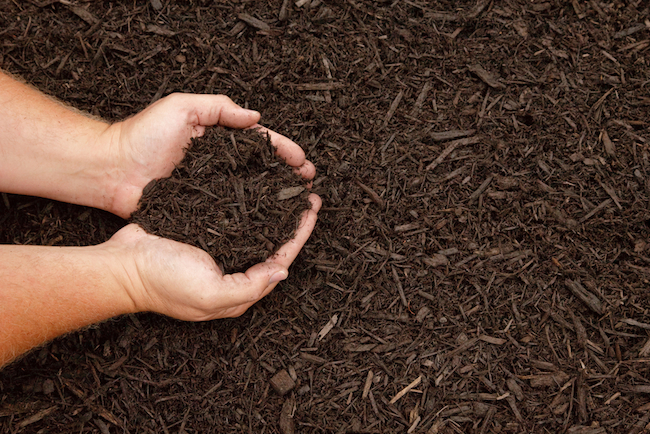
If we think of the earth as a living organism, mulch is the epidermis, the skin of the soil. In virgin forests, no one adds nutrients to the soil and no one regulates, yet here we find the greatest biodiversity, the soils have the right moisture. Mulch plays an important part in this and is formed at all times of the year.
By definition, mulch is a layer that covers the soil. It can consist of different materials, e.g. bark mulch, grass clippings, leaves, compost, straw, wood chips, vermiculite, etc.
What does mulch do for the soil?
- Mulch protects the roots and microbial life in the soil from influences that could damage them.
- Insulates the floor from heat or cold
- the soil is enriched by compost
- Nutrients and oxygen become more usable for the cannabis plants
- the evaporation of water from the soil is reduced, drying out is prevented
- the erosion of the soil is reduced/prevented
- the water storage capacity of the soil is improved
- Weeds and grasses are contained or even killed
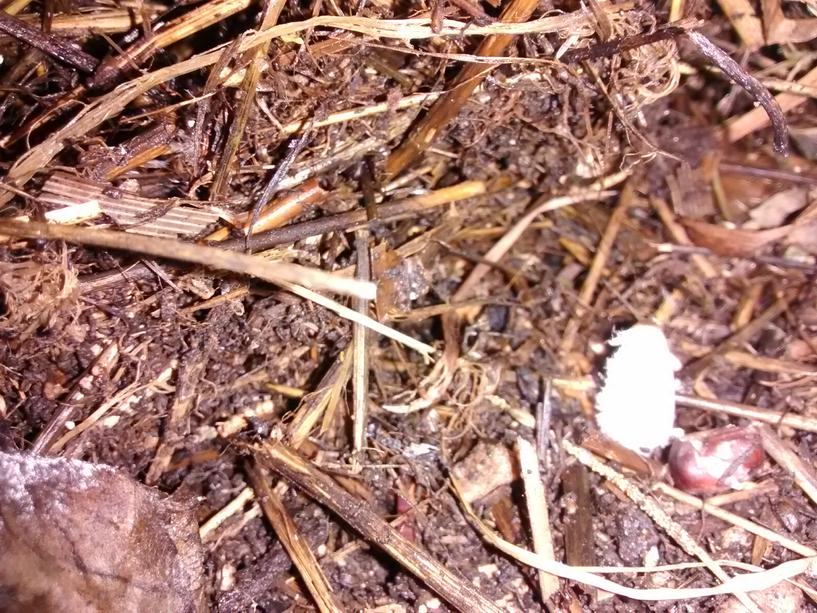
In nature, mulch mostly consists of leaves, small branches and other plant parts that are composted and provide the soil with important nutrients, thus ensuring plant growth at the same time.
The mulch layer protects the soil from the strong sunlight that would damage the microbiological population on the surface. This protection from direct sunlight allows the roots of the cannabis plants to grow close to the surface, where the highest concentration of microbiological life is found, along with many nutrients and oxygen.
With indoor growing, the temperature can be controlled, which is not so easy with outdoor growing. Therefore, mulch serves as a regulating protective layer when it gets very hot in summer. Especially when it comes to evaporation. With a good layer of mulch, the plants can survive heat and drought better and longer.
In several studies by researchers at Texas A&M University , it was found that soil evaporation can be reduced by 25% or more with mulch compared to non-mulched soil.
Mulch - fungi and bacteria
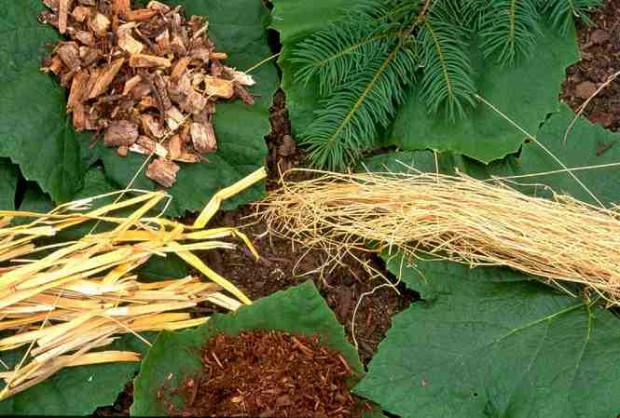
How mulch works depends very much on its composition and type. There is no ideal mulch for every situation. But here are some examples:
- Bacteria are promoted by green stuff: fresh, organic material e.g. grass cuttings
- Fungi are promoted by brown organic material, i.e. branches, dry leaves, etc.
Experienced outdoor growers can control the rate and type of microbiological life in the soil through appropriate use of mulch.
Green, fresh organic plant materials have mainly cell walls that consist of cellulose, which are easily broken by bacteria in the soil and secrete the enzyme cellulase. This interference with microbial life alters the pH of the soil and allows certain nutrients to be available to the cannabis plants.
Brown organic materials such as branches, wood chips, twigs, etc. are from secondary plant growth, so they are woody. The cell walls of secondary growth are made of lignin, an amorphous polymer. Lignin is degraded by fungi, which secrete the enzyme ligninase.
While fungi like an acidic environment, bacteria prefer a pH closer to 7. If the populations of fungi and bacteria in the soil are increased, the pH of the soil will subsequently change. A combination of both brown mulch and green mulch is necessary to create a true living organic healthy soil for cannabis plants, which ideally settles at 6.5 for marijuana. 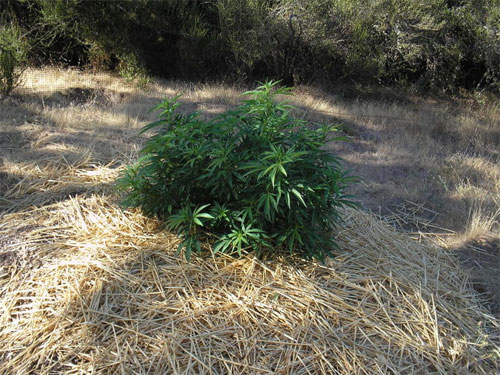
Vegetative phase
It may be useful for the medium to have a higher pH of 6.6-6.7 in the growing phase, so that more nutrients that promote growth can be absorbed. Molybdenum is the best example here. It acts like a nitrogen pump, helping to transport nitrogen from older leaves to newer ones. However, it is only available to the plant roots at a higher pH.
Fresh, green, organic materials as a mulch layer, support important bacteria in the soil during the growing phase.
The use of mulch in the flowering phase
During the flowering phase, a fungus-promoting mulch is especially needed, which helps to level the pH of the soil at 6.3-6.5. The somewhat lower pH value of the soil in the flowering phase enables an improved uptake of macronutrients such as phosphorus and potassium as well as trace elements. Aged and already older plant materials support valuable fungi in the soil.
Promote microbiological life in the soil
Mulching has similar advantages to the use of compost. Only natural, harmless and pollutant-free plant materials should be used as mulch, otherwise the microbiological life in the soil may be more damaged than enhanced. Do not use plant material from fruit and vegetables that have been treated with insecticides.
A very popular and extremely useful type of mulch is compost and bark mulch. Caution: do not use bark from cedar or walnut trees. Grass clippings and straw are also good options for mulch. Organic mulch can of course contain weed seeds or other pests. Pests and weed seeds can be killed in the mulch beforehand with "solarisation". To do this, spread the material out, cover it with a thick black film and heat it for a few days using direct sunlight. It is best to keep an eye on the whole thing and turn it over from time to time. By the way, this method can also be used in the run-up to outdoor growing in order to combat pests biologically. The temperature under the film should be checked regularly. It should be above 60° C, but of course not so high that the whole thing starts to stew. If the sunlight is strong enough, it can get extremely hot under a black film, but as long as nothing burns or smokes, everything is ok.
Add mulch to the soil
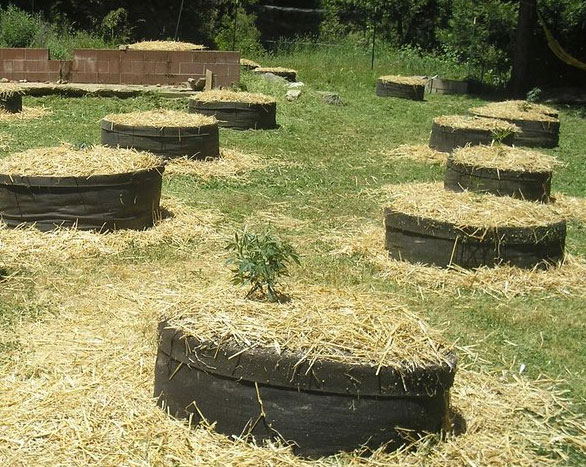
A mulch layer of about 3-5 cm is ideal. First a layer of worm manure or compost can be layered around the plant, followed by another layer of e.g. straw, this is the best way to imitate nature.
How quickly a mulch layer is utilised and decomposed depends on the particular type of mulch and the existing environmental conditions. After some time the mulch needs to be renewed and it can be applied to the surface around the plants at any time. The mulch layer should be loosened a little every now and then to aerate it.
Promote bacteria in the soil
- Green plant parts promote bacteria in the soil
- the more these are crushed, the more bacteria are produced
- a boost for the bacteria causes an increased pH value in the soil, it should not exceed 6.6-6.7
- is recommended for the growth phase of the marijuana plant
Promote useful fungi in the soil
- brown material, branches, shavings, bark... promote the beneficial fungi in the soil
- brown material makes the pH of the soil go down, but it should not be less than 6.6-6.5.
- brown material is especially useful for the flowering phase.