

Blog
Mycorrhizae: a magical addition to the soil and yield enhancer
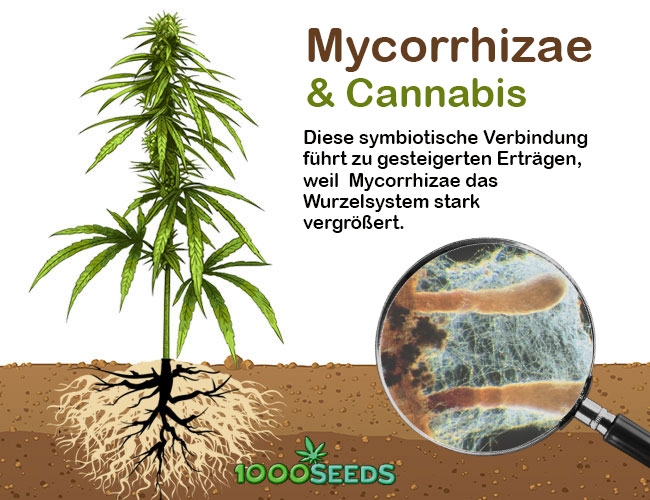
In recent years, beneficial microorganisms in the soil have been increasingly researched, identified and cultivated with regard to their effect on plant growth. In this context, a lot of research has been done to unlock the properties of beneficial microorganisms as growth and quality improvers. Many people initially think of fungi or bacteria as automatically having a harmful effect on plants, but this is not the case. Many beneficial bacteria and fungi even help plants to fight certain diseases better and at the same time ensure improved nutrient uptake.
Microorganisms are purely natural and also keep plants healthy in the wild. If we understand how microorganisms work, we can use them to our advantage when growing cannabis and get the best out of the plants. Mycorrhizae are a complex group of helpful fungi. They are found in many products and supplements today.
How do these fascinating microorganisms work?
Mycorrhizae is particularly beneficial for cannabis cultivation. Today, high-performance cannabis varieties go through their entire life cycle in a compressed time span of sometimes only 3 months or even less. They therefore need all the support they can get to develop optimally in this short time. The use of mycorrhizae gives the plants energy and ensures increased yields and a higher quality harvest. These fungi are purely natural and the plants are not polluted with chemicals.
Mycorrhizae is a kind of all-round helper, providing support in all kinds of stress situations such as lack of nutrition or root diseases. Above all, however, it improves the growth and formation of flowers.
The power of mycorrhizal fungi
It is a fact that ecosystems worldwide could not sustain themselves without the mycorrhizal fungus. It is estimated that up to 80% of all plants are associated with mycorrhizae and their survival depends on this beneficial fungus. This fungus has been around for many millions of years. Its tasks have always been to facilitate and secure life for plants. Mycorrhizae and plants enter into a symbiotic relationship to ensure improved survival. Almost all mineral soils contain mycorrhizal fungi, but often there are not enough of them, so that there is no effective colonisation of the roots. The same applies to hydroponic cultivation or indoor growing on soil or coco. Mycorrhiza fungi are not naturally present here and must therefore be added. If this helpful fungus is missing, it will be to the disadvantage of the plants.
So far, more than 100 species of mycorrhizal fungi have been identified. The most common groups include ectommycorrhizae and endomycorrhizae. Ectommycorrhizae occur naturally mainly around tree roots. The even more interesting fungus, the endomycorrhizae is found inside the plant, even growing between cell walls and root membranes. Because of the way Endomycorrhizae invades the root system and colonises the roots, it has the greatest potential for cannabis growers.
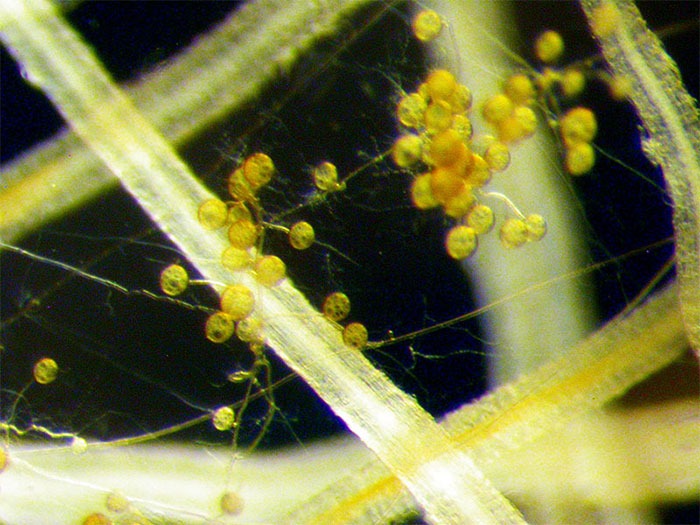
The symbiotic relationship between plants and mycorrhizae begins when fungal spores form microscopic and thread-like structures called hyphae. They penetrate the epidermis of the roots, colonise the root system and then spread throughout the entire plant medium. They form a huge network called mycelium. This mycelium increases the surface area of the roots and thus their absorption capacity. A mycelium can increase the root mass of the plant by up to 300-8000 times. The hyphae, unlike the roots, can squeeze into the smallest piece and corner of soil and squeeze past all kinds of obstacles in the soil. Their ability to extend into even the furthest corner is what makes hyphae so effective at absorbing nutrients.
The mycelium of a mycorrhiza can spread widely and even connect several plants of different species. One species of mycorrhiza can also connect with another species and form a complex soil life. In a way, plants can even "talk" to each other by being connected through a common mycorrhizal network. In detail, it is difficult to determine where one mycorrhiza ends and another begins. The structures are so closely interwoven. A mycelium can have hyphae that are several hundred kilometres long. It is estimated that there are about 200 km of hyphae in every kg of soil. These structures are so small that they cannot normally be seen with the naked eye. When they proliferate and bring fruiting bodies to the surface, they can be seen.
Mycorrhizae help the plants and plants help the fungus by sending the excess sugar from photosynthesis down to the roots, where the fungus can then absorb it. Mycorrhizal fungi need the sugar that plants produce because they themselves only exist underground and do not get sunlight. The useful fungus cannot carry out photosynthesis itself. Mycorrhizae stay alive with the sugar from the plants.
The plants in turn get better access to available nutrients in the soil, especially phosphates, through mycorrhizae. This is mainly due to the increase in root mass caused by the mycorrhizal fungus. In addition, the fungus can take up and make usable nutrients that would not be accessible to the roots alone. Mycorrhizae is like a giant sponge that can absorb a much larger amount of water and nutrients than the plant can. Especially the uptake of elemental nutrients like phosphorus (P), zinc (Zn), copper (Cu) and water is increased.
The benefits of mycorrhizae lead to amazing results in plants:
- Root growth is increased
- improved health
- more intensive flowering
- Increased nutrient and water uptake
- higher yields
- Reduces the risk of deficiency symptoms and root diseases
- Protection against many pests
- help plants to cope better with temperature fluctuations
If mycorrhizal fungi are used, the amount of fertiliser can be reduced and thus salt toxicity prevented. But that was not all. The useful fungus also offers protection against many pests. Plants that have been treated with mycorrhizae tolerate repotting much better.
Under what conditions does mycorrhizae thrive?
Mycorrhizae develop best and work at full speed at a temperature of 20-23° C. The ideal pH value for mycorrhizae is between 5.5 and 7.5, depending on the species, similar to cannabis. It is recommended to use products that contain a mixture of different mycorrhizae species. The useful fungus thrives best when it is neither too wet nor too dry. It likes a balanced air-water ratio.
Mycorrhizal fungi are available in powder or liquid form and can be used in many ways: in soil and coco as well as in hydroponic systems including deep water culture. They can be used for seedlings, cuttings and in all stages of cultivation.
It is advisable to use mycorrhizae as early as possible, as the fungus needs a few weeks to develop after the first application. I have always been amazed by the versatility of mycorrhizae. They are the ideal companion for indoor growing and fit perfectly into the growth cycle of cannabis plants.
Additives containing mycorrhizae
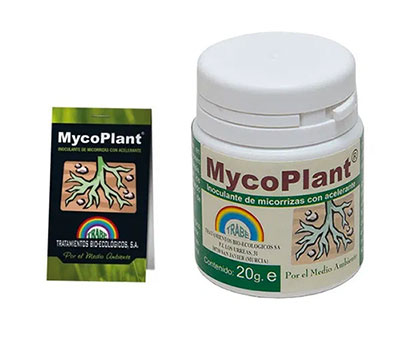
Myco Plant Powder from Trabe contains endomycorrhizae. It contains a special strain of mycorrhiza that can cope with different pedoclimatic conditions.
- 400 active spores per g

Funky Fungi by BAC contains 4 different strains of mycorrhiza. Together with BAC's stimulators, these quickly enter into symbiosis with the roots of the cannabis plants and can quickly unfold their positive effects.
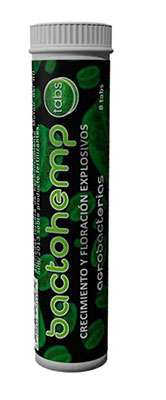
Bactohemp is an inoculant based on a mixture of microorganisms (mycorrhiza and rhizobacteria), formulated in tablets for easy application. The microorganisms contained in the product have not been genetically modified.
- Mycorrhizal fungi (total 300 spores / g): Septoglomus deserticola, Funneliformis mosseae, Rhizophagusregularis and Claroideoglomus etunicatum.