

Blog
Making cannabis cosmetics yourself (Part 2)
Methods - Ingredients - Recipes
Many patients and dedicated cannabis users use cannabis cosmetics and cannabis preparations to relieve discomfort and symptoms such as pain and muscle tension, or to benefit from the healing and nurturing effects of cannabis and other all-natural ingredients.
Proprietary cannabis cosmetics usually do not contain chemical dyes, artificial flavours or preservatives. This makes these preparations perfect for patients and people with sensitive skin or allergies. For allergy sufferers: Of course, only ingredients to which there is no insensitivity should be used in addition to the cannabis.
Most cosmetic and therapeutic cannabis preparations do not have a psychoactive effect but provide, for example, reliable pain relief or help to relax the muscles.
Of course, therapeutic cannabis oils, ointments and baths can also be combined with vaporised cannabis or smoked marijuana. Many patients report that the greatest pain reduction is achieved with cannabis when it also becomes psychoactive and has an effect. Thus, a combination of different forms of application often makes sense and many patients have good experiences with it. An additional local application is helpful in many cases and is therefore increasingly and willingly used.
Important for the production of cannabis cosmetics:
It is best to make small portions and use them fresh and directly without storing them for too long. All cosmetic cannabis recipes are made without preservatives, which means that their shelf life is limited and you should always be very clean at all steps and only use disinfected containers and vessels, both when making and when opening and taking out the ointments, baths, etc. Cannabis ointments can also be frozen to extend their shelf life.
If you use fresh ingredients (e.g. fruits) that are not dried, the mixture should be stored in a cool place and consumed within 2 days. If these mixtures are stored for too long, they will start to mould and we should avoid this in any case. Although preservatives make cosmetic products and therapeutic ointments more durable and thus safe to a certain extent, they also have some disadvantages and are suspected of having an unfavourable effect on the immune system. Homemade ointments are therefore free of these substances.
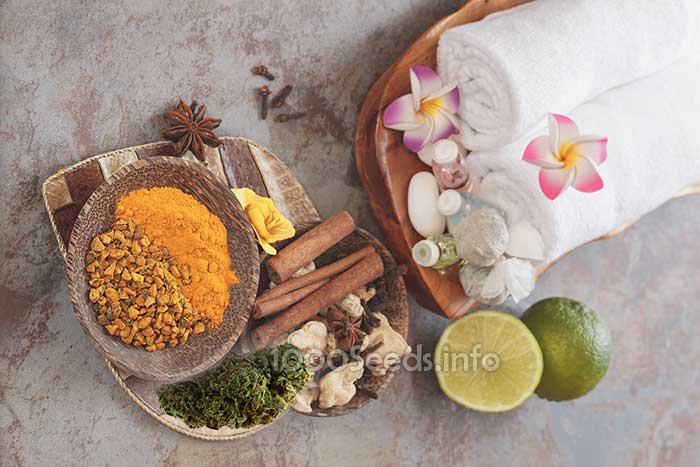
If you have discovered the benefits of homemade cannabis preparations and decide to make your own more often, it can be quite useful to put together a small kit with various natural ingredients, herbs and necessary utensils. A lot of useful ingredients like black pepper, cloves, vanilla can already be found in your kitchen. Cannabis can form a wonderful and very effective unit together with other medicinal herbs and natural flavours.
Fats and oils in the production of cannabis cosmetics and marijuana ointments
Most therapeutic cannabis applications involve base fats that are rich in natural unsaturated fatty acids. These are most effective in transporting cannabinoids across the skin for absorption. They do not remain sticky and oily on the skin, but are absorbed well.
Olive oil

Olive oil that has been cold pressed contains particularly many unsaturated fatty acids and is therefore most suitable. Olive oil nourishes the skin and makes it soft.
Sunflower oil
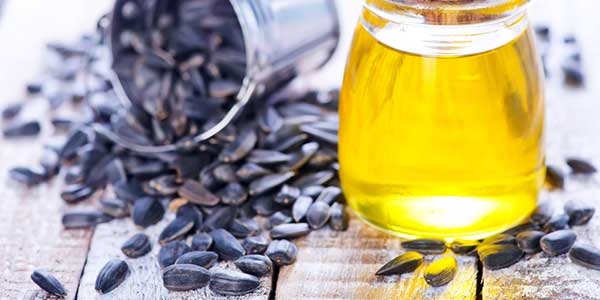
Sunflower oil also contains many unsaturated fatty acids and is widely used in the production of cannabis applications. It does not have a greenish colour like olive oil. Sunflower oil absorbs well into the skin and does not leave a film. Both normal and sensitive skin types benefit from its effect. The high content of linoleic acid supports the natural protective function of the skin and soothes it. Here, too, always use a high-quality and cold-pressed oil.
Cocoa butter
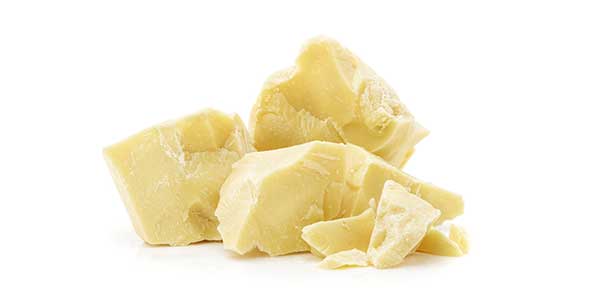
Cocoa butter is made from the cocoa bean and has a wonderful chocolate smell. It is also rich in unsaturated fatty acids, softens and nourishes the skin.
Coconut oil/fat
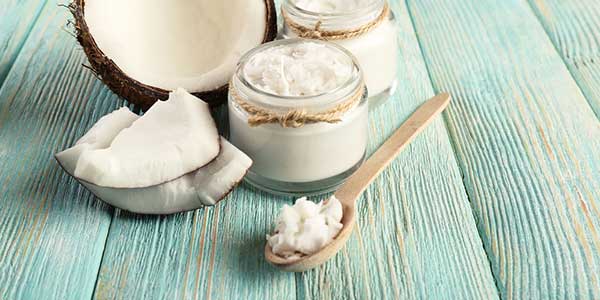
Coconut oil softens, soothes and nourishes the skin. It is said to have numerous health benefits and contains high levels of lauric acid. The medium-chain fatty acids in coconut oil have antimicrobial, antiviral and antifungal properties. These medium-chain fatty acids reduce the activity of fungi, such as Candida albicans. Coconut oil relaxes the facial skin, gives a fresh complexion, regenerates skin and hair and can be used as a bath additive or base for massage oil with cannabis.
Mango seed butter
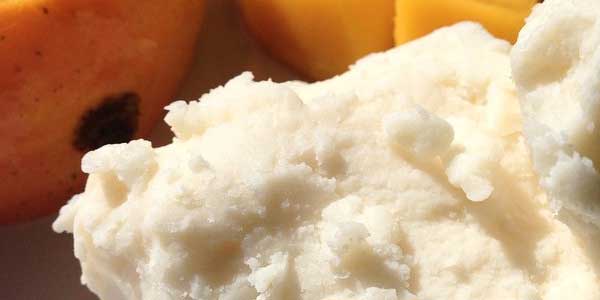
Mango seed butter is rich in unsaturated fatty acids and comes from the seeds of the mango. It absorbs very well into the skin and is an excellent substitute for shea butter, which can often cause problems for allergy sufferers. (mostly when there is also a latex allergy).
Essential oil
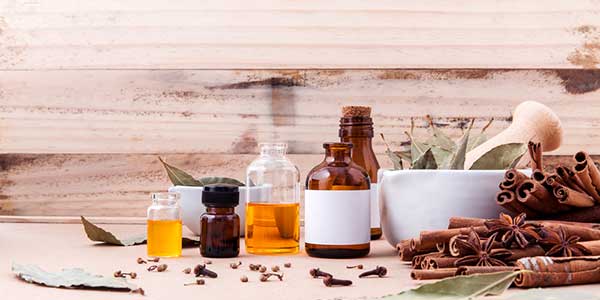
In many cosmetic and therapeutic marijuana recipes, essential oils are added to enhance or increase the medicinal effects of cannabis. Essential oils give cosmetic products a particularly good scent, they can be combined and used according to preference and they themselves have various therapeutically valuable effects. Always use only 100% natural oils for cannabis cosmetics and spa. They do not contain any dyes or artificial flavourings that can irritate the skin.
Here are some examples of essential oils commonly used in cannabis cosmetics and spas:
Angelica oil: used for despondency and depressive moods, has an anxiety-relieving effect.
Basil oil: is used for headaches and migraines, has an expectorant, relaxing and calming effect.
Bergamot oil: for stress, insomnia, emotional fluctuations, has a mood-lifting effect.
Eucalyptus oil: for colds, for fever, expands the airways, stimulates blood circulation
Grapefruit oil: for listlessness, awakens spirits, refreshing
Blood orange oil: for sadness and dejection, stimulates appetite, promotes sleep
Ginger oil: for nausea, for stomach upset and cramps, has an exhilarating and antispasmodic effect.
Chamomile oil: for migraine, cramps of irritated skin, has an antispasmodic and anti-inflammatory effect, calming
Mint oil: has a cooling and refreshing effect, promotes concentration
Lavender oil: for restlessness, exhaustion, tension and sleep disorders.
Lemongrass oil: has a stimulating, draining, refreshing effect.
Lime/lime oil: for lack of strength and courage, has an exhilarating and stimulating effect.
Melissa oil: invigorates the senses, for lack of concentration, has a balancing and harmonising effect.
Mandarin oil: for anxiety, has a balancing and calming effect, stimulates appetite
Sandalwood oil: for nervousness, has an expectorant and calming effect.
Tea tree oil: for fungal infections, insect bites, colds, has a disinfecting effect.
Thyme oil (white): against physical weakness, for colds, has a warming effect.
Cedarwood oil: for nervousness and restlessness, very good aroma note for many blends.
Cinnamon oil: stimulates creativity, relieves tension, has a warming and disinfecting effect.
Lemon oil: has a loosening and refreshing effect
Aloe Vera
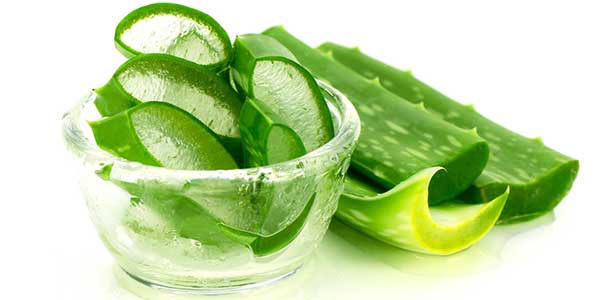
Aloe vera has healing and nourishing effect for the skin. It can be used freshly scraped directly from the leaf of the plant. It is best to run it briefly through a kitchen blender before use so that it can be easily distributed and mixed in. Aloe vera improves the structure of creams and lotions and makes them more spreadable.
Waxes for cannabis creams and ointments
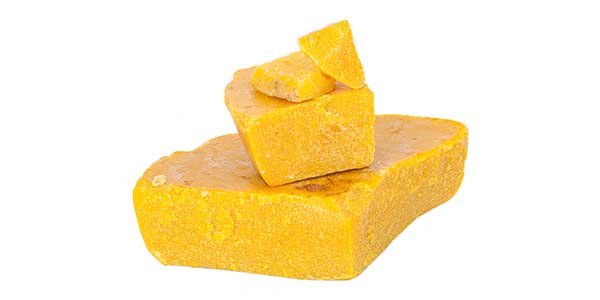
In some cannabis ointments and creams for external use, beeswax is used to give a creamy, firmer texture. Beeswax makes the finished products very smooth and is therefore a popular wax for making cannabis creams.
For those allergic to pollen or similar, the use of carnauba wax, which comes from a palm tree growing in Brazil, is recommended as an alternative. Less of it needs to be used than would be used with beeswax.
One should always use natural, purely organic, filtered beeswax that is specifically suitable and purified for the manufacture of cosmetic products.
Sunflower lecithin
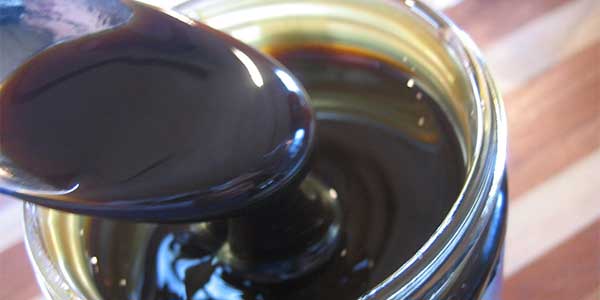
Sunflower lecithin is a natural ingredient in therapeutic topical cannabis blends. It makes creams and lotions creamy and smooth. It is not advisable to use dried sunflower lecithin as this will not give the desired smoothness. The lecithin should be sticky and waxy. There are some differences from manufacturer to manufacturer.
Floral water and hydrosol
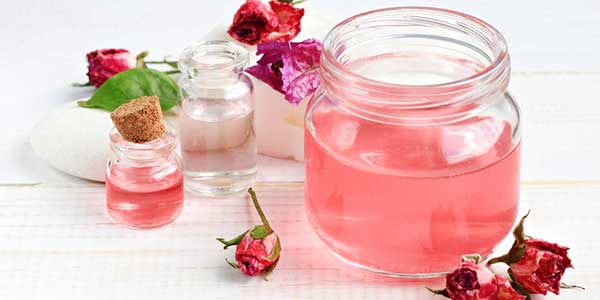
Flower waters are readily available as rose water, neroli water or orange flower water, for example. These floral waters are often used for natural flavouring of edibles and also add a special fragrance to therapeutic cannabis recipes. The flower waters should be food grade and contain nothing else except citric acid and distilled water. They are produced by distillation. Hydrosols that do not contain alcohol have a shelf life of only a few weeks. They have similar effects to the corresponding essential oils, but some have milder effects and may also differ slightly in effect to the oils.
Dried cannabis flowers
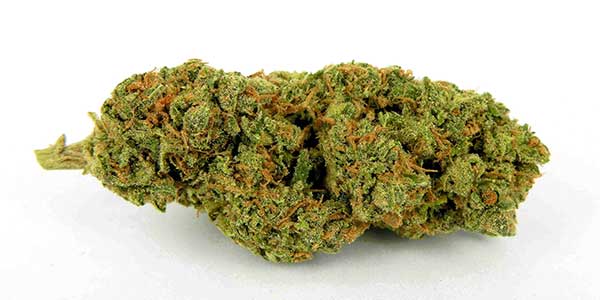
Dried and crushed cannabis flowers are often used for marijuana ointments and applications. Especially cannabis flowers that have a high cannabinoid content are particularly effective. The resinous trim leaves can also be used very well for bath additives. Besides the medicinal power cannabinoid THC, dried cannabis flowers contain a variety of other cannabinoids that are medically relevant, e.g. CBD (cannabindiol), CBG, CBC, CBN (and more than 80 others).
Basically, you can use any strain rich in cannabinoids for your cannabis spa blends and creams. Cannabis strains that are high in THC and CBD have far-reaching pain-relieving effects. Both cannabis sativa and cannabis indica, as well as their hybrids, are medicinally effective and suitable for therapeutic blends, provided they have a sufficiently high cannabinod content.
Cannabis flowers used for medicinal applications (but also in daily use) should always be free from pests, fungal infections and other contaminants.
Cannabis extracts and waxes
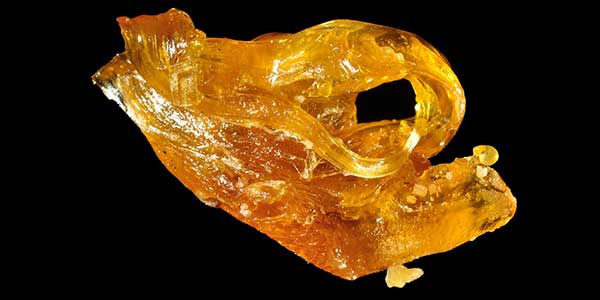
The essential oils in cannabis and the resin can be extracted with ethanol, butane gas, olive oil/coconut oil and C02, among others. In many cases, the same methods are used for the production of cannabis extracts and terpene concentrates. The same methods that the aromatherapy industry uses.
Extraction is also possible with petrochemical solvents (solvents made from petroleum/natural gas). However, I advise against this and would not use these solvents for the production of medicinal cannabis products. CO2 is a popular, extremely efficient and one of the most harmless methods for extracting terpenes and resins. However, difficult if not impossible to implement at home and not suitable for private use.
Cannabis extracts and cannabis oils have a much higher content of THC and other cannabinoids than the flowers themselves.
Process cannabis for therapeutic prescriptions
Every cannabis recipe and marijuana spa blend first starts with the preparation of a concentrated, (usually) fat-based cannabis base preparation. This is very important because the cannabinoids in cannabis are not water soluble. They always need fat or alcohol to be dissolved and made ready for use.
The Decarboxylation is also a necessary prerequisite for effective preps. The same applies to eating cannabis. This is usually done in the oven or a pan. It is a chemical reaction that takes place in the flowers/cannabis. The cannabinoids are converted into their active form and thus made fully usable.
- Decarboxylation: in the oven at 150°C for 30 minutes
Cannabis flower base oil for therapeutic blends
The base oil used is a high-quality oil rich in unsaturated fatty acids, e.g. cold-pressed olive oil or sunflower oil.
Cannabis strains that have a high cannabinoid content are particularly effective. Choose the strain that you prefer or that you have already had good medical experience with. Mixtures and combinations of different strains are also possible. If you use buds that are low in cannabinoids or trim material, use more (double).
Ingredients:
- 250 ml olive oil/sunflower oil
- 14 g coarsely crushed dried cannabis flowers
- 720 ml water
The olive oil, water and crushed dried cannabis are put together in a pan and stirred.
The whole thing is now heated over a low heat and should simmer gently for 1 hour without boiling. You can also use a rice cooker for this. This is set to 30-45 minutes (brown rice). Then leave the mixture in the rice cooker for another 30 minutes while it is still warm.
The 720ml of water should be sufficient during heating, if not, add a little more water. Do not fry the flowers in the fat.
Then strain the oil-cannabis-water mixture through a fine filter cloth and squeeze out all the liquid. Leave it covered until it has cooled down to room temperature and then put it in the freezer for some time until the water has separated from the fat. Put the fat into a sterilised glass jar. Take special care that no water gets into the glass jar. It is better to have a little fat in the water than water in the fat (that you are separating)!
The finished base mixture should be stored in the refrigerator or freezer and in a dark place. Always remove something from it only with sterilised spoons. Do not use your fingers.
Cannabis base oil with hashish or kief
Kief is excellent for making a cannabis base oil. Kief retains much of the aromas of the flowers it comes from when stored properly and tightly. Terpenes, along with cannabinoids, are potent and valuable therapeutic constituents in cannabis.
6g of kief to 250ml of oil has proven to be an effective and efficient amount for cannabinoid-rich preparations for external use. You can also use more, it's up to you. The basic cannabis oil recipe made with hashish or kief is less greenish than that made with flowers.
Ingredients:
- 250 ml olive oil/sunflower oil/coconut oil
- 6-10 Kief or hashish
- 480ml water
- Put the water, oil and kief or hash together in a pan and stir.
- Put the whole thing on low heat and simmer gently for about 1 hour. If there is not enough water, add some during heating. Do not fry hash or kief in the fat either.
- Then filter the mixture through a fine cloth sieve and wait until it has cooled down to room temperature. Then put it in the freezer for some time so that the fat can be easily separated from the water. Make sure that no water gets into the finished basic product.
This might also interest you: