Dosage and use of CBD and other cannabinoids
 All too often, doctors fail to recommend the use of cannabinoids or medicinal cannabis because, unfortunately, the law in many countries still does not allow it or there is insufficient medical knowledge about cannabinoids, the endocannabinoid system and its wide-ranging mode of action in the body.
The cannabinoids cannabidiol (CBD) and THC act synergistically and reinforce each other's respective therapeutic properties. Depending on the patient, the ideal dosage and the appropriate THC-CBD ratio differs.
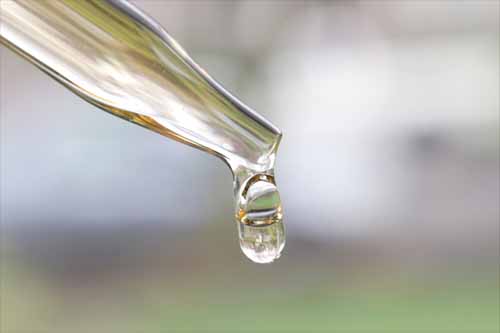
CBD is a non-psychoactive substance that is able to neutralise unwanted effects of THC such as anxiety. Sensitivity and tolerance to THC also plays a role in the use of CBD. Patients who have no experience with THC or do not like the effects of THC can also take CBD without THC, for example in the form of CBD tinctures or CBD oilswhich contain a particularly high amount of CBD.
By gradually increasing the dosage of CBD or THC, many patients find the ideal and effective dosage for themselves. The appropriate dosage also strongly depends on which disorder or symptoms are to be treated. For anxiety, certain affective disorders and seizure disorders, for example, CBD-dominant remedies with a very high CBD value and little or no THC content have proven effective.
Pain patients, on the other hand, benefit from a 1:1 CBD and THC ratio, as can be found in many new Cannabis strains can be found. Cannabis strains that are high in THC are also shown to be extremely helpful in this regard in many cases.
It has been shown that with equal doses of THC and CBD (i.e. 1:1 ratio), the maximum effect of THC is attenuated, but not completely eliminated. If CBD is taken first, it can block the high of THC. However, if higher doses of THC are taken, they exceed the effect of CBD and the high can still be very intense.
It is important to note that cannabinoid compounds have biphasic properties. Small and high doses of the same substance (the same cannabinoid) can produce opposite effects in this regard. There are no known negative effects from overdosing on CBD. It is rather the case that often moderate doses of CBD can be more therapeutically effective than very high doses.
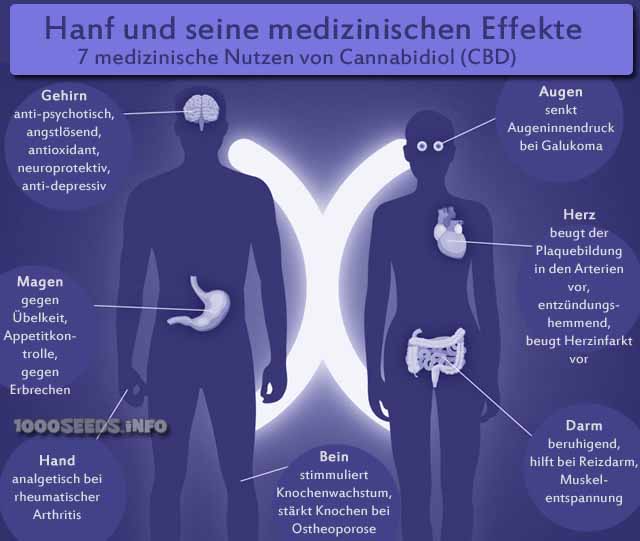
CBD extracts from whole CBD-rich plants usually contain another 400 or so trace elements that work synergistically together. Some extracts, depending on the law, also contain little or traces of THC. In the case of self-produced cannabis or CBD oils and tinctures, the CBD and THC content can be influenced and adjusted according to one's own wishes. The buzz of all or many active components of cannabis is greater than the isolated use of only one cannabinoid. This means that the therapeutic benefit of the whole plant is the highest and has more effect than its individual components.
100 milligrams of synthetic CBD is not equivalent to 100 mg of CBD from a CBD-rich whole plant. Synthetic single molecules of cannabis are therapeutically less effective than extracts from whole plants. Less is often more also applies to the medicinal use of cannabinoids. Yosef Sarne, an Israeli scientist, reports that extremely low doses of THC confer cardioprotective and neuroprotective effects. The results of Sarne's studies with ultra-low doses of CBD are still awaited.
The correct dosage of medicinal cannabis for patients is a complex task that will require more research to truly extract the full medicinal potential from the cannabis plant. Historically, patients have been left to figure out and determine the dosages for their medical cannabis treatment themselves for many years.
In 2004, a scientific article was published by Donald Abrams, MD, Professor of Clinical Medicine at UC San Francisco, which states that the dosage can be determined by the patients themselves by gradually increasing or changing the dose. Due to the low toxicity and the impossibility of an overdose, a gradual approach to the correct dosage is a good way to achieve the individually desired effects.
Nevertheless, in the future it will be necessary and important for patients to learn more about this important and medically highly relevant topic in the context of finally free marijuana research and to receive adequate medical support in this area.
<<mehr zum Thema Cannabis als Medizin>>